
Everyday dog care
Is Pet-Safe Ice Melt Safe for Dogs?
Not automatically. The ASPCA says there are no specific requirements for labeling a deicer ‘pet safe.’ Products use different ingredients, so the phrase alone does not tell you how to use a product around your dog. Read the package you have; if the product or its directions are unclear, do not choose it based only on that wording.
Decide what the walkway needs
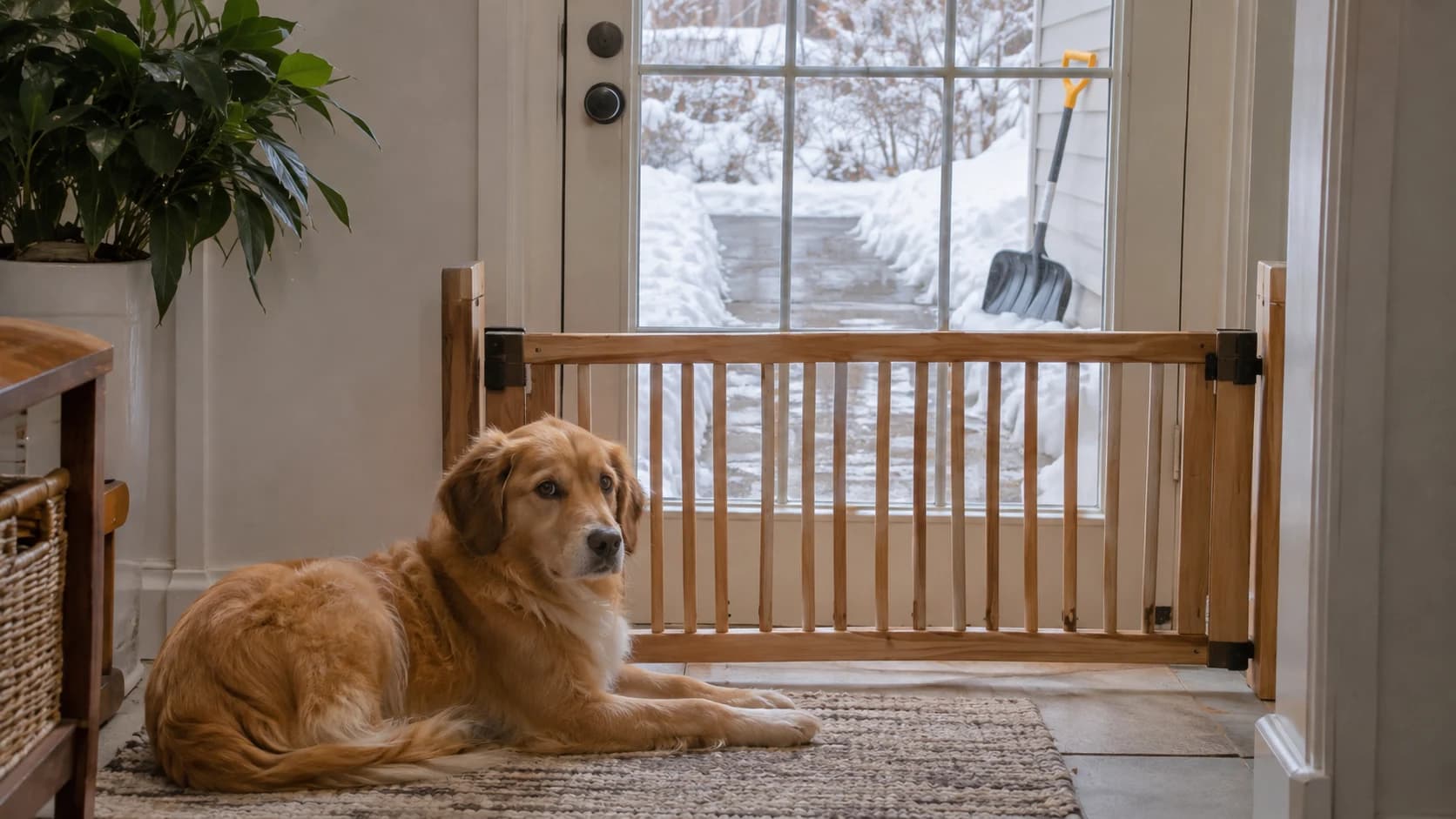
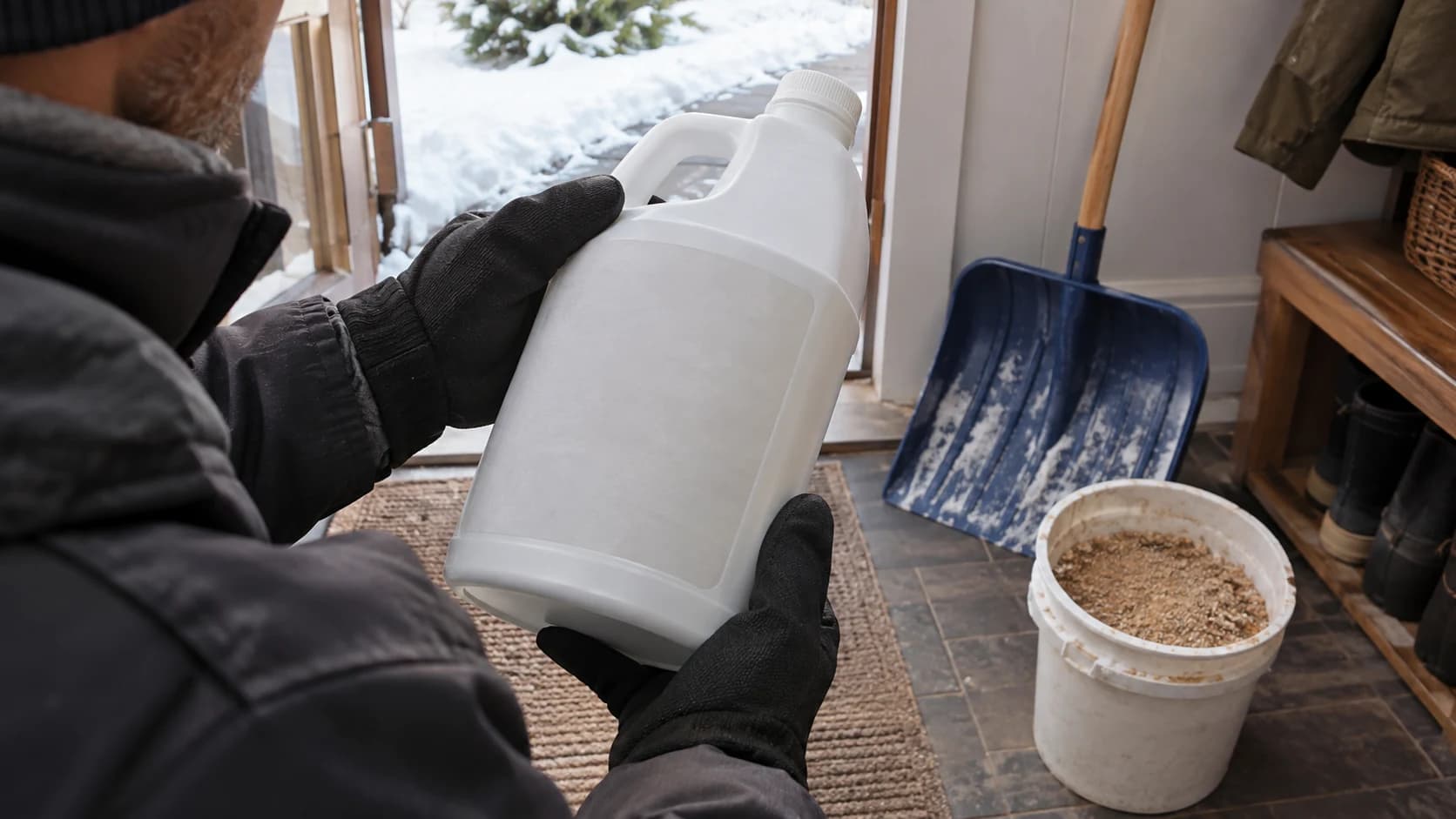
First, decide whether you need to melt the ice or mainly improve traction on the walkway. If you use a chemical deicer, can you keep your dog inside while it is applied? If not, use another route or wait until you can keep your dog out of the application area. Follow the product’s directions for the surface and amount, and avoid overuse.
| Your situation | A practical next step |
|---|---|
| You need ice to melt and can keep your dog away | Read the exact package directions and surface limits. Use the deicer as directed, avoid overuse, and keep your dog inside during application. |
| You mainly need traction, not melting | Consider sand for grip. The ASPCA also lists heated mats or steps as ways to keep walkways ice-free. These are alternatives to applying a chemical deicer, not a guarantee that every surface will be slip-free. |
| The product or directions are unclear, or you cannot keep your dog away | Do not choose it based only on ‘pet safe.’ Wait until you can confirm the product and how it should be used, or choose a different route or traction option. |
After winter walks
Salt and other deicers can irritate paws; if swallowed, they can irritate or ulcerate the mouth and digestive tract. Cornell recommends checking paws and wiping or washing away salt, deicers, or snowballs after returning inside. It also advises using pet-friendly deicers when possible, but does not name a brand or define a label standard.
The ASPCA also recommends wiping or rinsing paws after a walk and watching for signs of discomfort such as limping or licking. If you suspect your dog swallowed deicer, contact your veterinarian or ASPCA Poison Control promptly.
If you are choosing paw protection for treated sidewalks, compare our guide to dog boots and paw wax. For cleanup after the walk, see how to clean dog paws.
Research notes
Sources behind this guide
Written and source-checked by Puni Pet Guides Editorial Team · Reviewed Nov 17, 2026
This guide synthesizes the public references below; it does not report hands-on product testing or independent veterinary review.
Review scope: practical context, source traceability, and clear non-diagnostic boundaries. Diagnosis and treatment decisions stay with veterinarians.