
Senior cat care · coughing without a hairball
Older Cat Coughing but No Hairball? What to Do Next
When an older cat coughs repeatedly without producing a hairball, contact your veterinary clinic rather than waiting for fur to appear.
As the Cornell Feline Health Center notes, frequent hacking may have nothing to do with hairballs and may stem from another gastrointestinal problem or a respiratory ailment. Unproductive retching warrants prompt veterinary examination; never give laxatives without veterinary supervision.
Seek emergency care immediately for open-mouth panting or visibly difficult breathing, as detailed in Cornell's resource on dyspnea. Coughing with bluish gums, blood-tinged mucus, or lethargy also needs emergency care, as Dr. Brittany Kleszynski notes on PetMD. Coughing blood requires immediate evaluation regardless of other signs.
Do not delay travel to film video, take notes, or count breaths. These are not the only reasons a cat may need urgent care. Contact your clinic about repeated coughing and describe any other changes so they can advise on urgency.
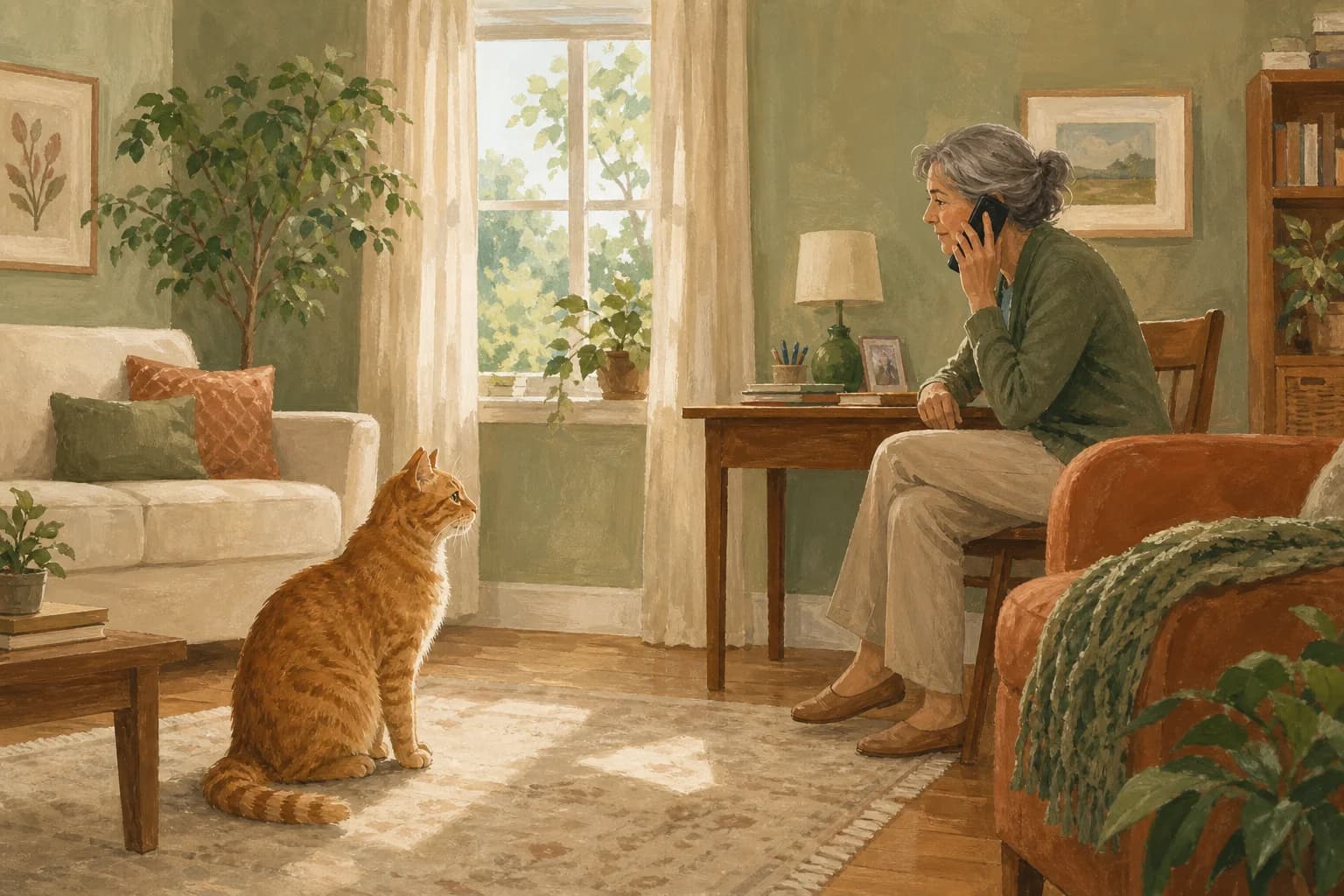
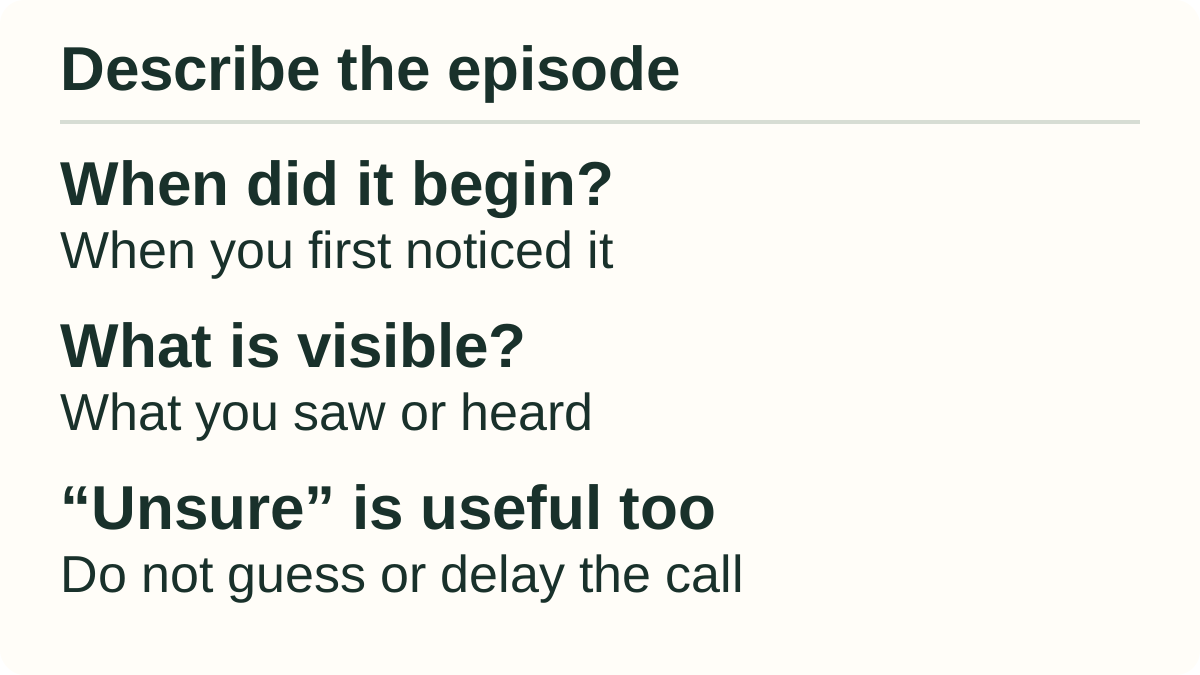
Give the clinic a short account of what happened
You do not need to decide whether the episode was a cough, hack, or retch. Share what you already saw: when it began, how often it has happened so far, whether anything came up, and any other change you noticed. If you did not see the whole episode or are unsure what the sound was, say so. Do not trigger another episode to check.
You can say: “My older cat has had repeated [coughing / hacking / retching; I am unsure which] since [when]. I have [not seen anything come up / seen … / could not tell]. I have already noticed [other change, if any]. Their breathing [looks difficult / has not looked difficult to me / I am unsure]. Should I go to an emergency clinic now, and where should I bring them?”
If breathing looks difficult, say that first; you do not need to complete the rest of the note before calling.
Only if your clinic later asks you to observe breathing while your cat is quietly asleep, our senior cat sleeping breathing rate guide covers that separate observation; it does not assess an active cough. If food came up, our older cat throwing up undigested food guide covers that separate observation.
Research notes
Sources behind this guide
Written and source-checked by Puni Pet Guides Editorial Team · Reviewed Oct 5, 2026
This guide synthesizes the public references below; it does not report hands-on product testing or independent veterinary review.
Review scope: practical context, source traceability, and clear non-diagnostic boundaries. Diagnosis and treatment decisions stay with veterinarians.