
My Dog Ate Thanksgiving Stuffing. What Should I Do?
If your dog ate stuffing and you don’t know the ingredients, or it may contain onion, garlic, or raisins, call your veterinarian or ASPCA Poison Control at 888-426-4435 now. Call even if your dog seems normal (ASPCA guidance).
If your dog has trouble breathing, is having a seizure, or won’t respond to you, go straight to an emergency veterinary hospital.
What to tell your vet
Onion and garlic can harm a dog’s red blood cells, and some stuffing may contain raisins (ASPCApro; Pet Poison Helpline). If you know those ingredients are absent, a vet can still advise you based on the rest of the recipe, how much your dog ate, and how your dog is doing.
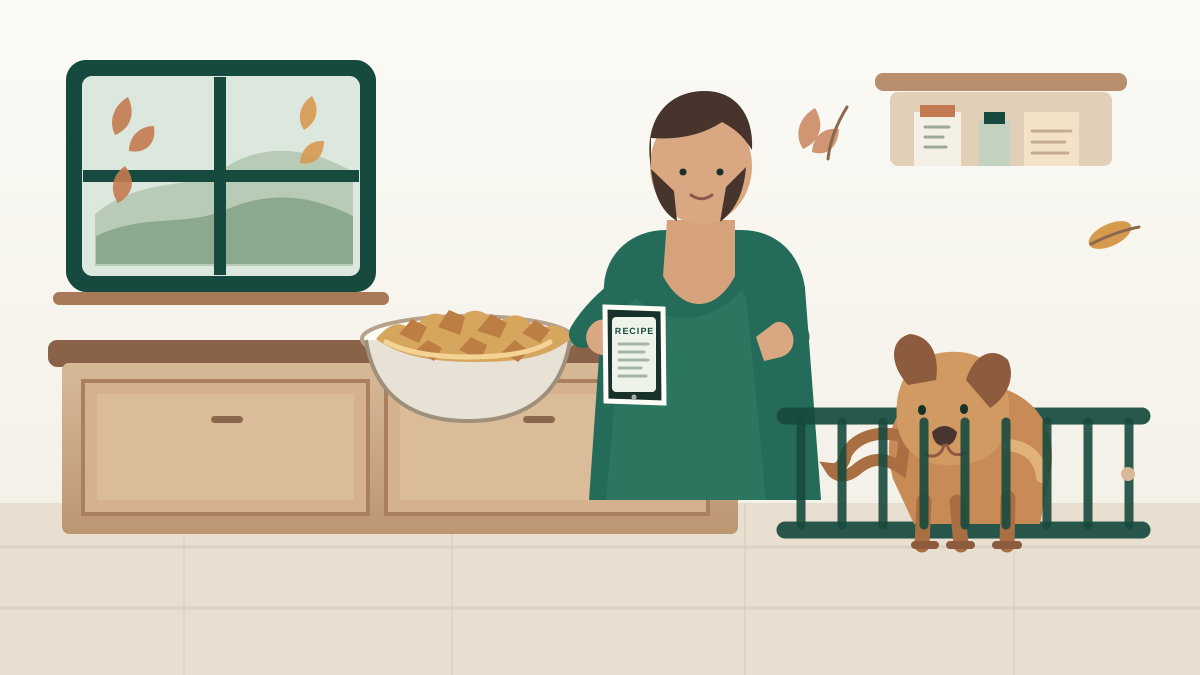
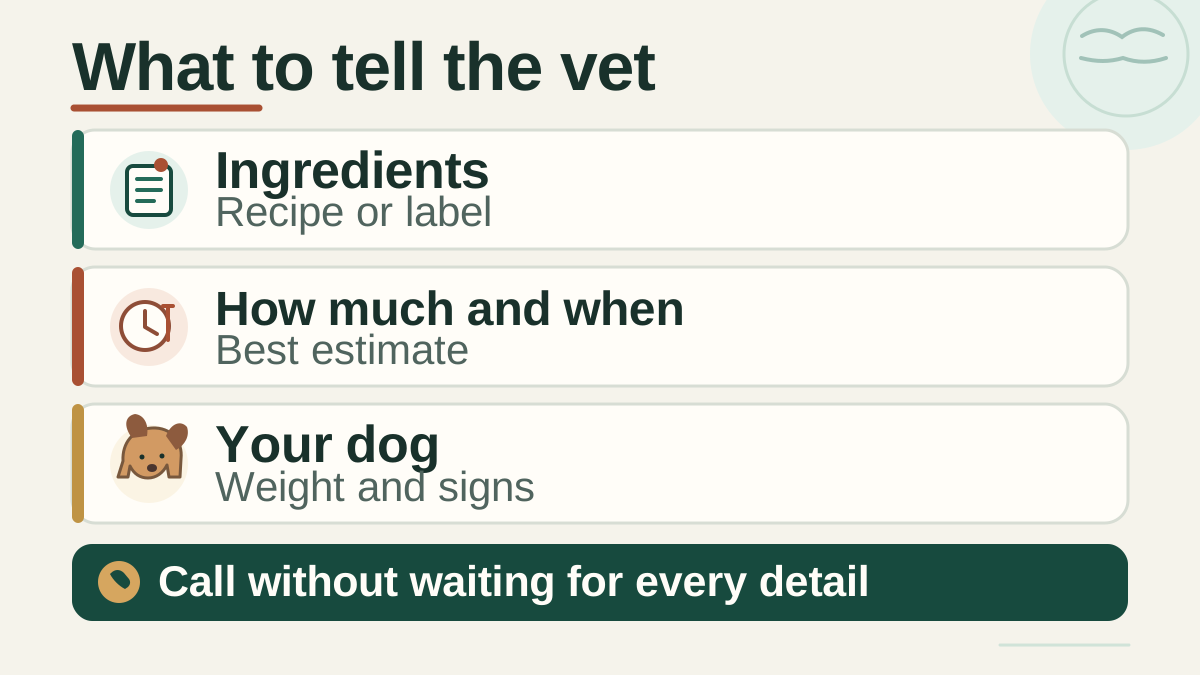
Put the remaining stuffing out of reach. When you call, tell them which ingredients you know about, your best estimate of how much your dog ate and when, plus your dog’s weight and any signs you see. The ASPCA’s poison response guide recommends saving the packaging. The stuffing mix or broth label can help, as can a recipe or a quick check with the cook. Don’t wait to gather every detail before calling.
Don’t try to make your dog vomit or give a home remedy unless a veterinary professional tells you to. If your regular vet is closed, the FDA lists emergency veterinary hospitals and animal poison control as other options for urgent advice.
For next time, see which turkey you can serve your dog.
Research notes
Sources behind this guide
Written and source-checked by Puni Pet Guides Editorial Team · Reviewed Nov 10, 2026
This guide synthesizes the public references below; it does not report hands-on product testing or independent veterinary review.
Review scope: practical context, source traceability, and clear non-diagnostic boundaries. Diagnosis and treatment decisions stay with veterinarians.