
Cat’s Ears Cold After Being Outside? When to Call a Vet
Bring your cat indoors. If your cat is weak, shivering, or confused, or the ears are painful, discolored, or blistered after cold exposure, contact a veterinarian right away. How cold the ears feel is only one clue. Tell the vet what happened outside and how your cat is acting.
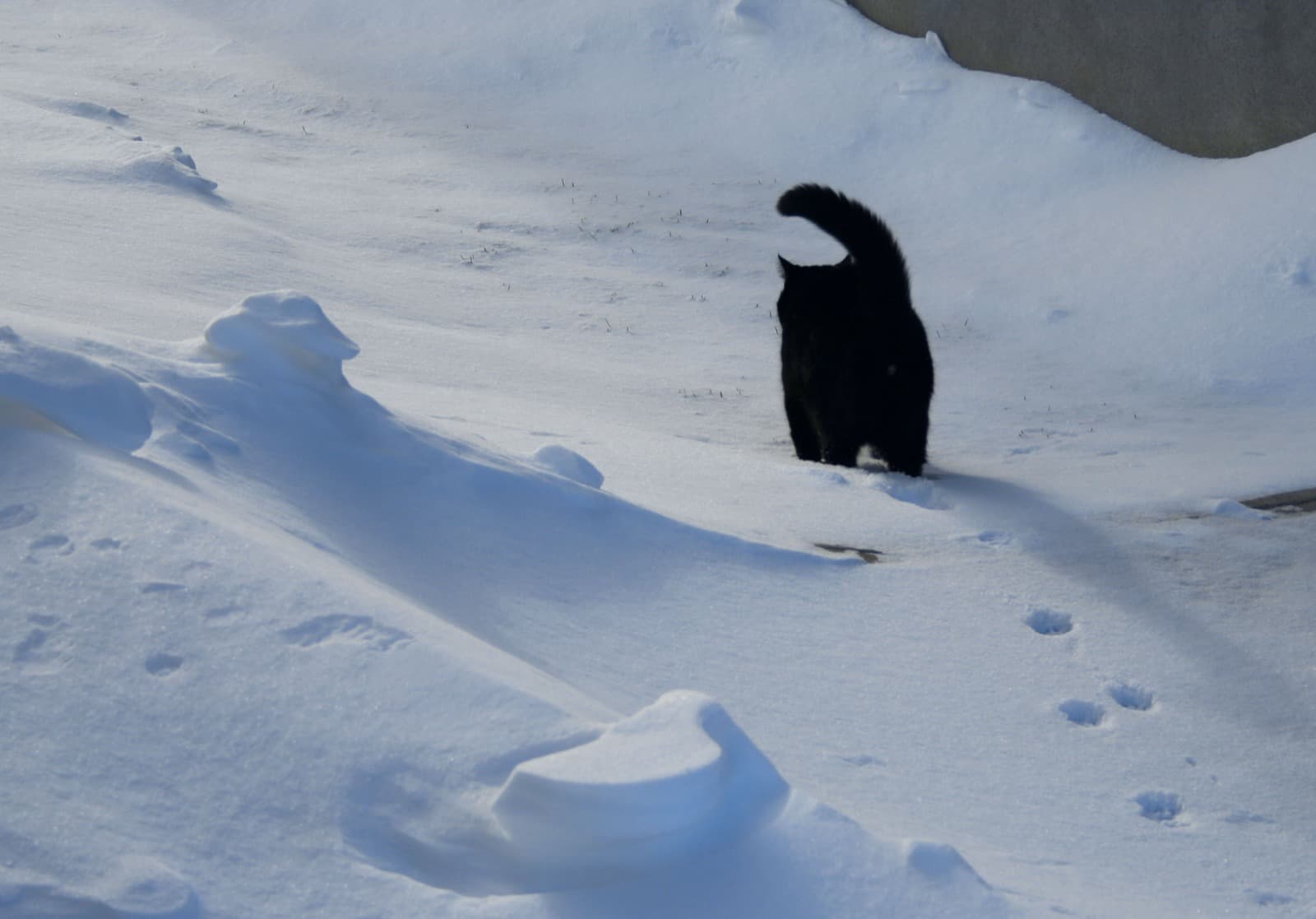
Look at the ears and how your cat is acting
Cornell Feline Health Center warns that cold combined with wind and snow or ice can put cats at risk of frostbite or hypothermia. Wet fur adds to the concern.
Touch alone gives no reliable reading of your cat’s body temperature. Early frostbite can be hard to see, so a normal-looking ear can still need veterinary attention after a concerning exposure.
When to contact a vet right away
UConn Extension notes that cold-injured skin can look gray or blue and may later turn red or blister. Watch for a change from your cat’s usual ear color and for signs of pain.
- Is your cat weak, shivering, or confused? Contact a veterinarian right away. Tell them what your cat is doing and when it started.
- Are the ears painful, newly discolored, or blistered after cold exposure? Seek veterinary care right away. Tell the clinic whether one or both ears have changed.
- Do you suspect cold injury even if the ears look normal? Call a veterinarian now. Early skin changes can be difficult to see.


What to tell the clinic
Tell the clinic when your cat came in, how long they might have been outside, and whether it was windy or their fur was wet. If you are unsure how long they were out, say so. Share any changes in their ears or behavior and when you first noticed them.
Deciding whether to go out again? Learn what to check before taking your cat out in cold weather.
Veterinary and cold-weather guidance
This guide draws on Cornell Feline Health Center, UConn Extension, and Michigan winter preparedness guidance.
Sources reviewed November 19, 2026.