
Can Dogs Eat Gravy? What to Check After a Lick
Keep table gravy off your dog’s plate. If your dog licked some, check the recipe or packaging for onion, garlic, leeks, or chives. If any may be in the gravy, call a veterinarian or animal poison-control service right away, even if your dog seems fine.
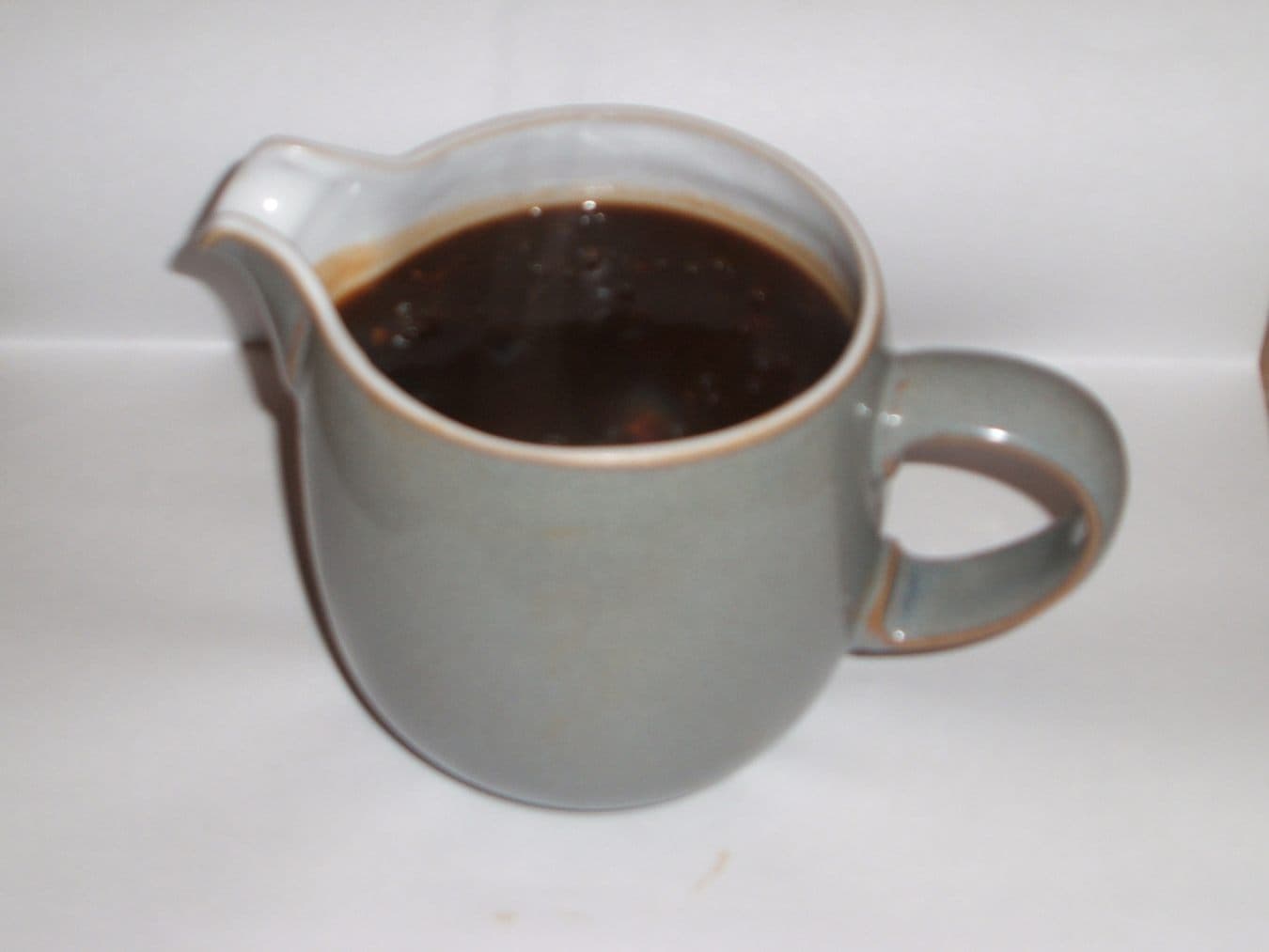

Rich gravy can upset a dog’s stomach
VCA Animal Hospitals advises leaving gravy off plain turkey. Gravy made with fatty drippings can upset a dog’s stomach and may contribute to pancreatitis, according to Kansas State University’s College of Veterinary Medicine.
Read the gravy label and the stock label
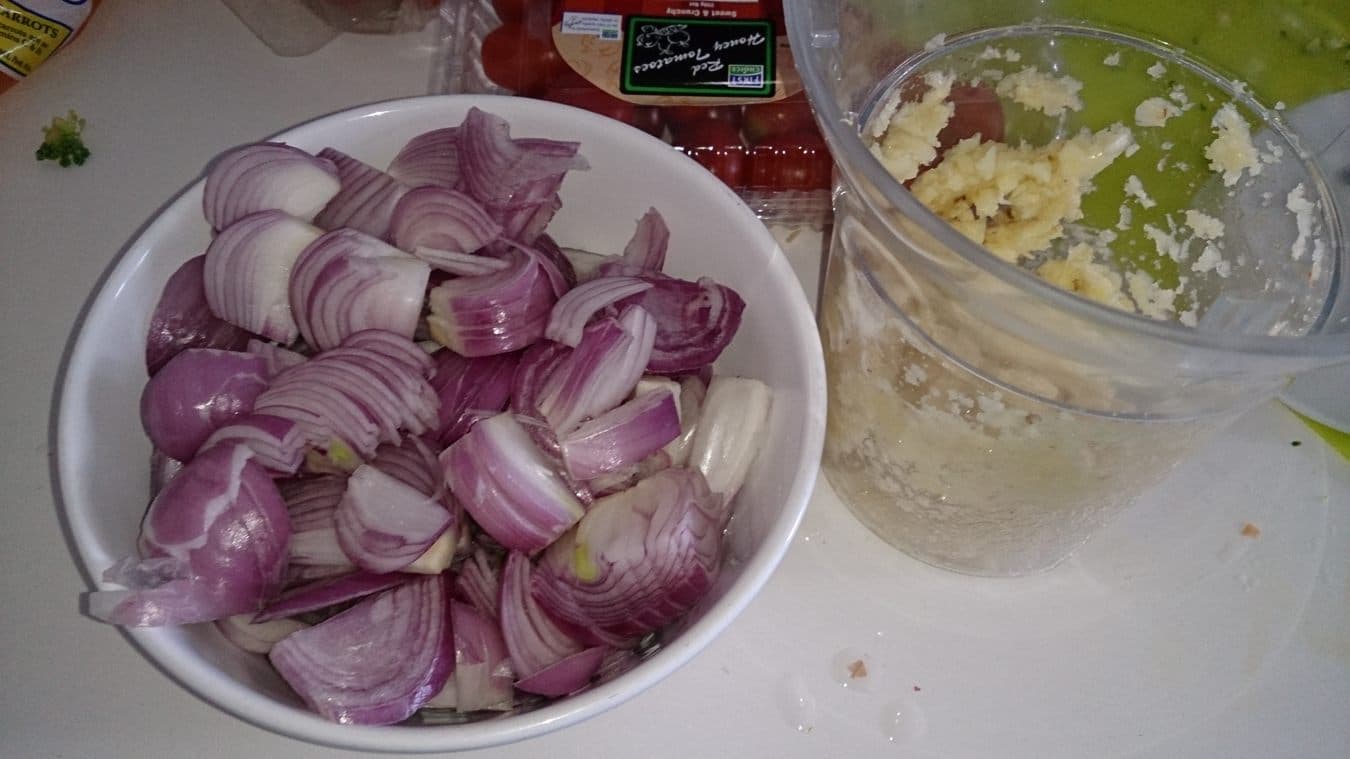
If the gravy came from a packet or a jar, read the ingredients. For homemade gravy, ask the cook what went in and check any stock or seasoning mix they used. Onion and garlic can show up as powders, so look past the name on the front of the package.
- Could the gravy contain onion, garlic, leeks, or chives? Call a veterinarian or animal poison-control service right away. Tell them which ingredient might be involved.
- Is the recipe or the amount unclear? Call your veterinarian for advice and describe what you know about the gravy and how your dog got to it.
- Does your dog seem sick after eating gravy? Contact your veterinarian promptly and describe the changes you’ve noticed.

What to tell the veterinarian
Have the labels or recipe handy. Tell the veterinarian when your dog ate the gravy and give your best estimate of how much. Mention what else was on the plate if your dog ate that too.
Considering turkey for your dog? See the Thanksgiving turkey guide for dogs.
Veterinary and Thanksgiving food guidance
This guide draws on K-State College of Veterinary Medicine, VCA Animal Hospitals, and American Kennel Club guidance.
Sources reviewed November 20, 2026.