
Everyday dog care · ingredient checks
Can Dogs Eat Cranberries? Check Plain Berries, Mixes, and Sauce
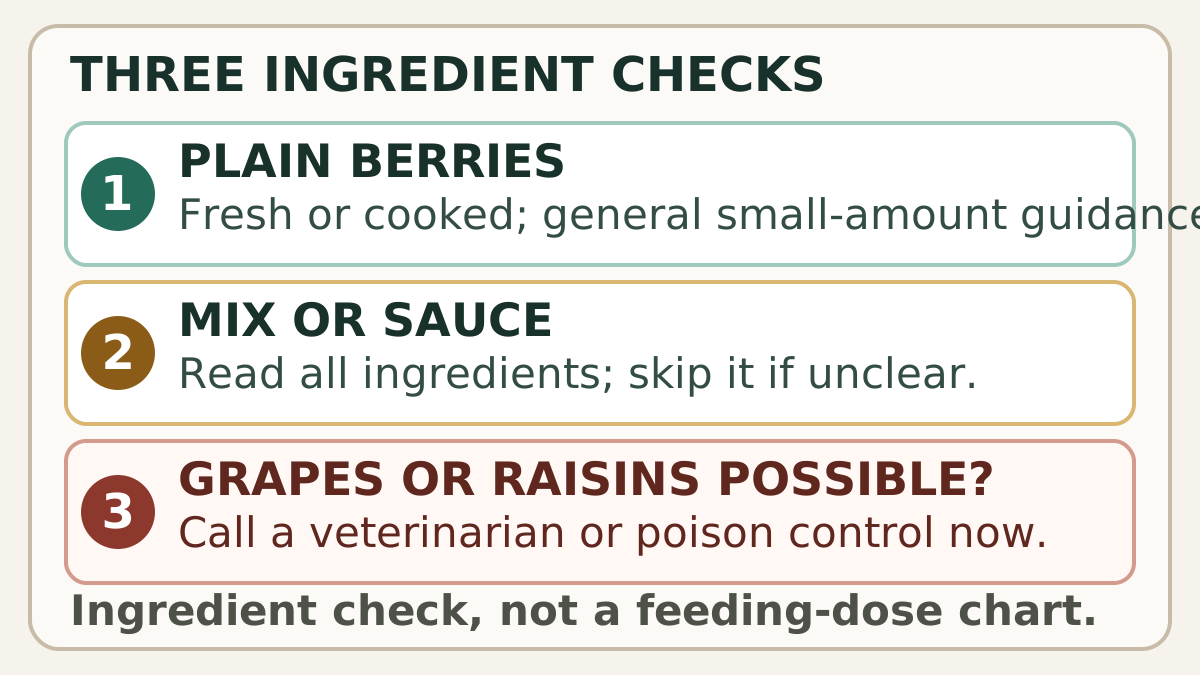
The American Kennel Club (AKC) says plain fresh or cooked cranberries are not inherently toxic to dogs. Its general advice is to keep the amount small; too many may upset a dog’s stomach. That guidance does not set an individual serving size.
If grapes or raisins may have been in a cranberry mix or dish your dog ate, contact a veterinarian or emergency clinic now. The Cornell University College of Veterinary Medicine treats grape or raisin ingestion as an emergency. Do not wait for signs to appear.
Plain berries and prepared foods
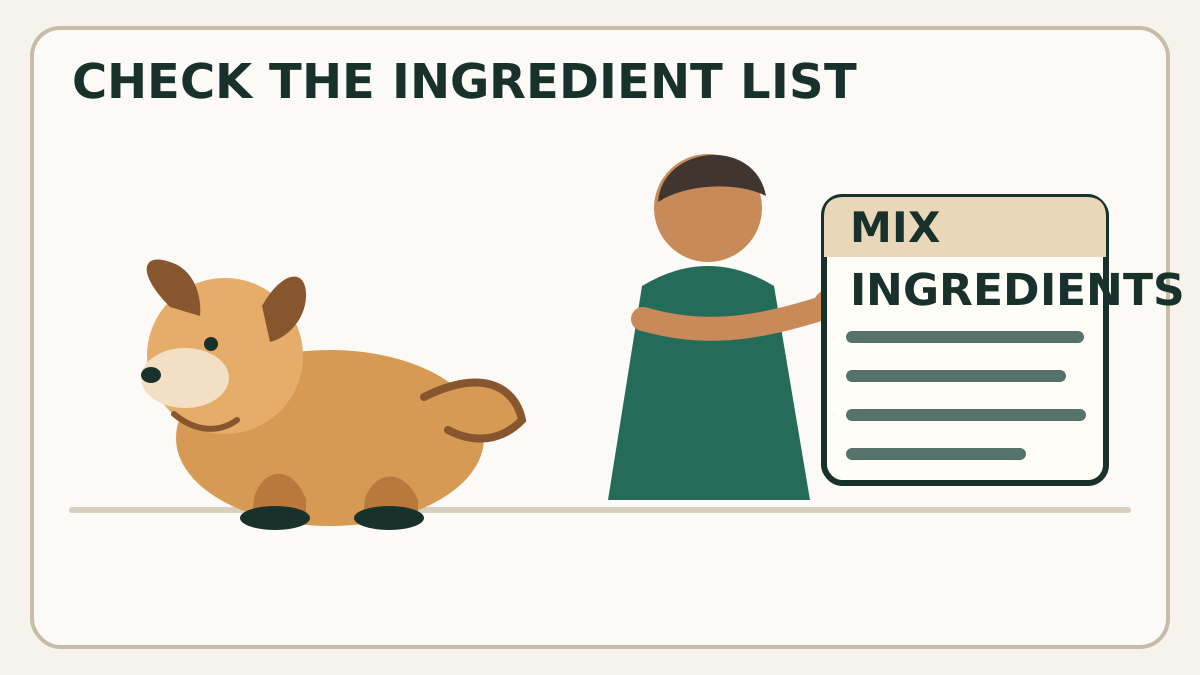
AKC’s advice is about plain cranberries. Dried cranberry products may be mixed with raisins, and sauce recipes vary; some may include sugar, grapes, raisins, currants, or alcohol. Check the full ingredient list or recipe, not just the word “cranberry.” If you cannot confirm what is in a prepared mix or sauce, skip it rather than guessing.
If grapes or raisins may be involved
The ASPCA Poison Control advises contacting a veterinarian or poison control if a pet may have eaten a listed hazardous food. Cornell says the amount of grapes or raisins that may cause harm is unknown and can vary. When you call, share what your dog may have eaten, about how much, and when. This urgent guidance applies to possible grape or raisin ingestion, not to plain cranberries.
For a separate holiday-food question, see Can dogs eat turkey?
Research notes
Sources behind this guide
Written and source-checked by Puni Pet Guides Editorial Team · Reviewed Oct 28, 2026
This guide synthesizes the public references below; it does not report hands-on product testing or independent veterinary review.
Review scope: practical context, source traceability, and clear non-diagnostic boundaries. Diagnosis and treatment decisions stay with veterinarians.