
Dog Swallowed a Button Battery? What to Do Now
If your dog may have swallowed or chewed a button battery, move them away from any remaining batteries and call your veterinarian or an emergency vet right away, even if they seem fine. Do not induce vomiting.
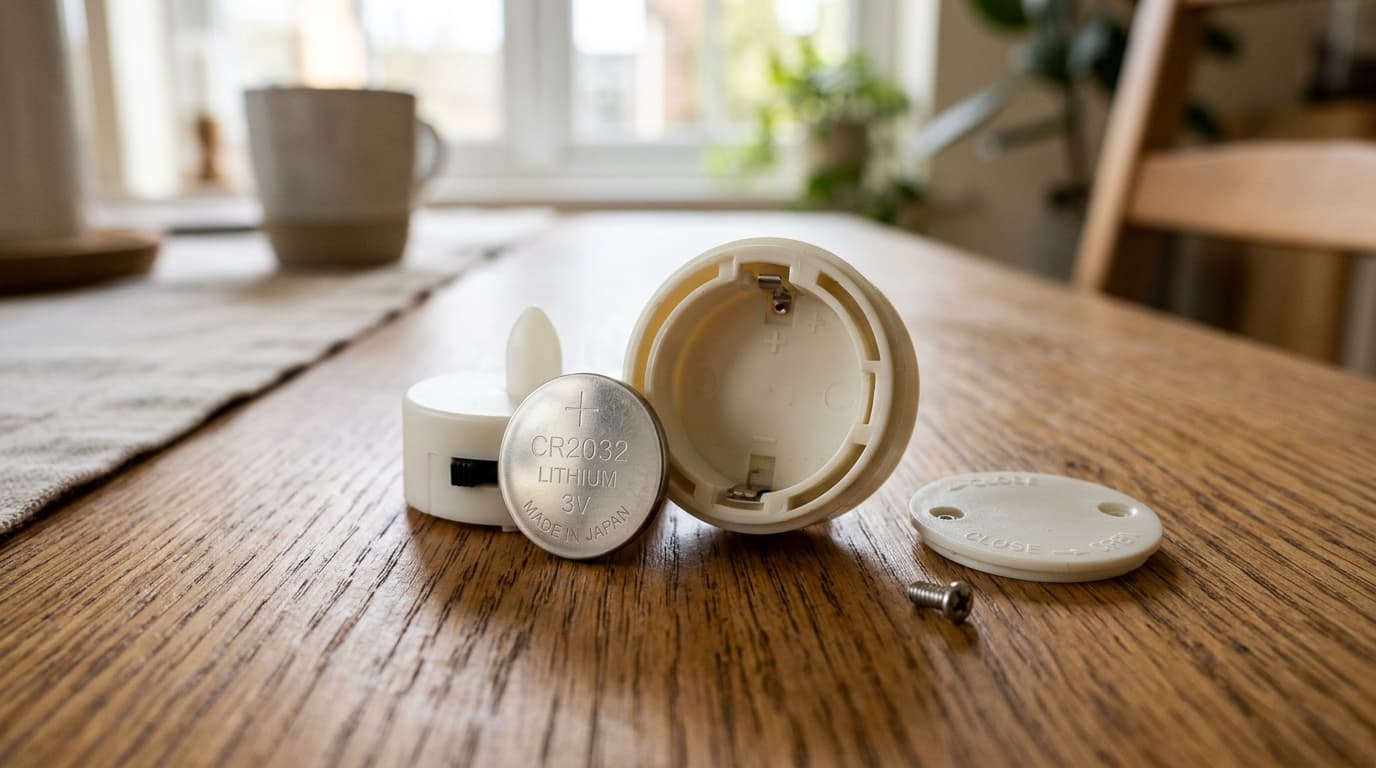
Why a button battery is an emergency
Button and disc batteries can cause severe burns even if the casing is intact, according to the ASPCA Animal Poison Control Center and Pet Poison Helpline. A coin-shaped battery can lodge in the esophagus or digestive tract and transmit an electric current that injures tissue quickly.
Pet Poison Helpline notes that a 3-volt lithium button battery can cause severe tissue damage within 15 to 30 minutes of contact. If a battery is punctured or chewed, alkaline or acidic material can also leak out and burn the mouth, esophagus, or stomach.
What to tell the veterinary clinic
Tell the clinic you suspect a button battery, when it happened, and whether any batteries or pieces are missing. If you have the device, packaging, or a spare battery, note the size or type, such as a 3-volt lithium coin cell, without delaying your call.
Share any signs you see, such as drooling, pawing at the mouth, bad breath, or trouble getting comfortable. LSU Vet Med and Pet Poison Helpline note that mouth ulcers and other injuries may not appear right away, so do not wait for symptoms.
- Is a button battery missing or possibly swallowed? Call your vet or an emergency vet immediately, even if your dog acts normal. Do not wait for symptoms or induce vomiting.
- Is the battery case punctured or are there loose pieces? Keep your dog away from the area and call the vet right away. Punctured batteries can leak caustic material that burns the mouth and throat.
- Is every battery confirmed intact and accounted for? Move all batteries and open devices out of reach. Watch for drooling, pawing at the mouth, or refusal to eat, and call your vet if you are unsure.

What not to do while you get help
Move your dog into another room away from loose batteries or chewed devices. Do not induce vomiting, because bringing a battery or leaking material back up can cause further burns to the esophagus and throat.
Skip home remedies unless your veterinarian or a poison-control specialist instructs otherwise. If you cannot reach your regular clinic, call an emergency vet, ASPCA Animal Poison Control, or Pet Poison Helpline.
Did your dog get into a glass decoration instead? See what to do if your dog ate a glass Christmas ornament.
Veterinary guidance
This guide draws on veterinary and poison-control guidance from LSU Vet Med, Pet Poison Helpline, and the ASPCA Animal Poison Control Center.
Sources reviewed November 20, 2026.