
My Dog Licked Antifreeze. What Should I Do?
Move your dog away from the spill and call your veterinarian or an emergency veterinary clinic right away. Call even if your dog seems fine or you only suspect one lick. In the U.S., you can also call ASPCA Poison Control at 888-426-4435.

Why you should call before symptoms appear
Antifreeze that contains ethylene glycol can seriously damage a dog’s kidneys. A dog can seem better for a short time even as poisoning progresses. Avoid home remedies and follow the veterinary team’s instructions.
Tell the veterinary team what you know
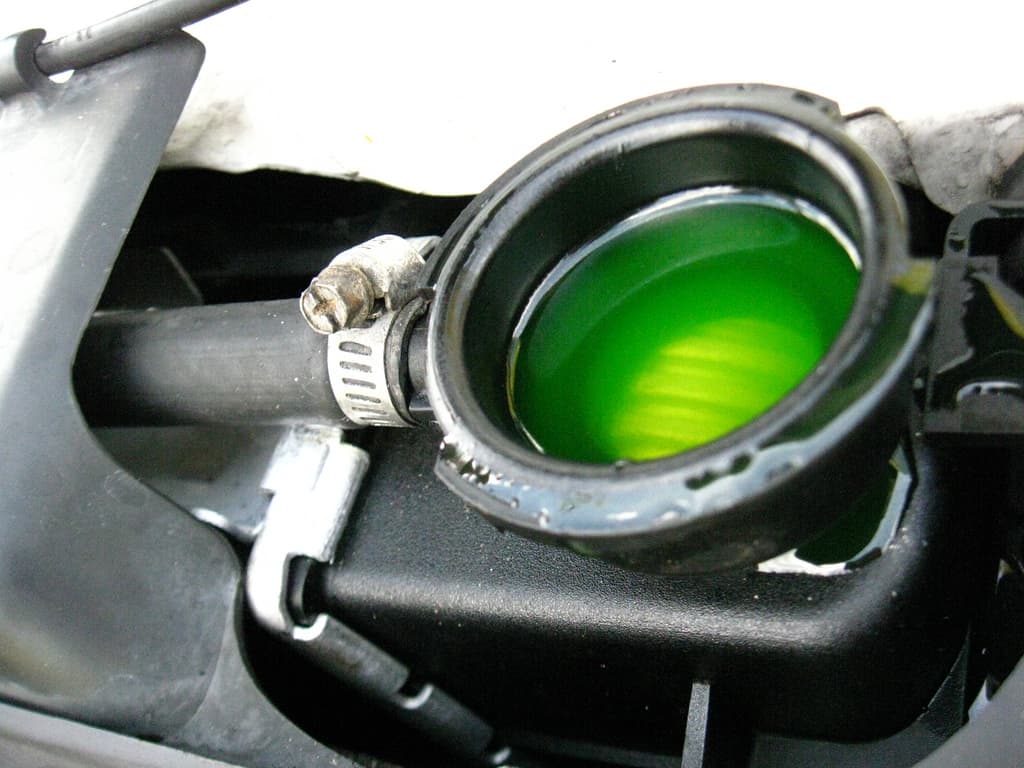
Tell the clinic when it may have happened, what you saw, and where you found the liquid. It could be from a leak beneath a car, a container in the garage, or plumbing in a winterized RV.
Some antifreeze products use other ingredients. If the label or a photo is handy, share it when you call. If you only saw an unidentified puddle, give the location and explain that you suspect coolant. Call before looking for the label.

Keep pets away from winter spills
Keep containers tightly closed and out of reach. Check beneath parked cars and around places where you handle coolant. Keep your dog away from a leak or spill until it has been cleaned up.
Sources behind this guide
This guide draws on ASPCA, Pet Poison Helpline, and Merck Veterinary Manual guidance for suspected antifreeze exposure in dogs.
Source review: November 19, 2026.