
Can Cats Eat Ham? What to Do If Your Cat Ate Some
Skip ham as a treat for your cat. It is high in salt and fat. If your cat already ate some, call your veterinarian promptly if a bone, onion, or garlic may have been eaten, the amount is large or unclear, or your cat seems unwell.
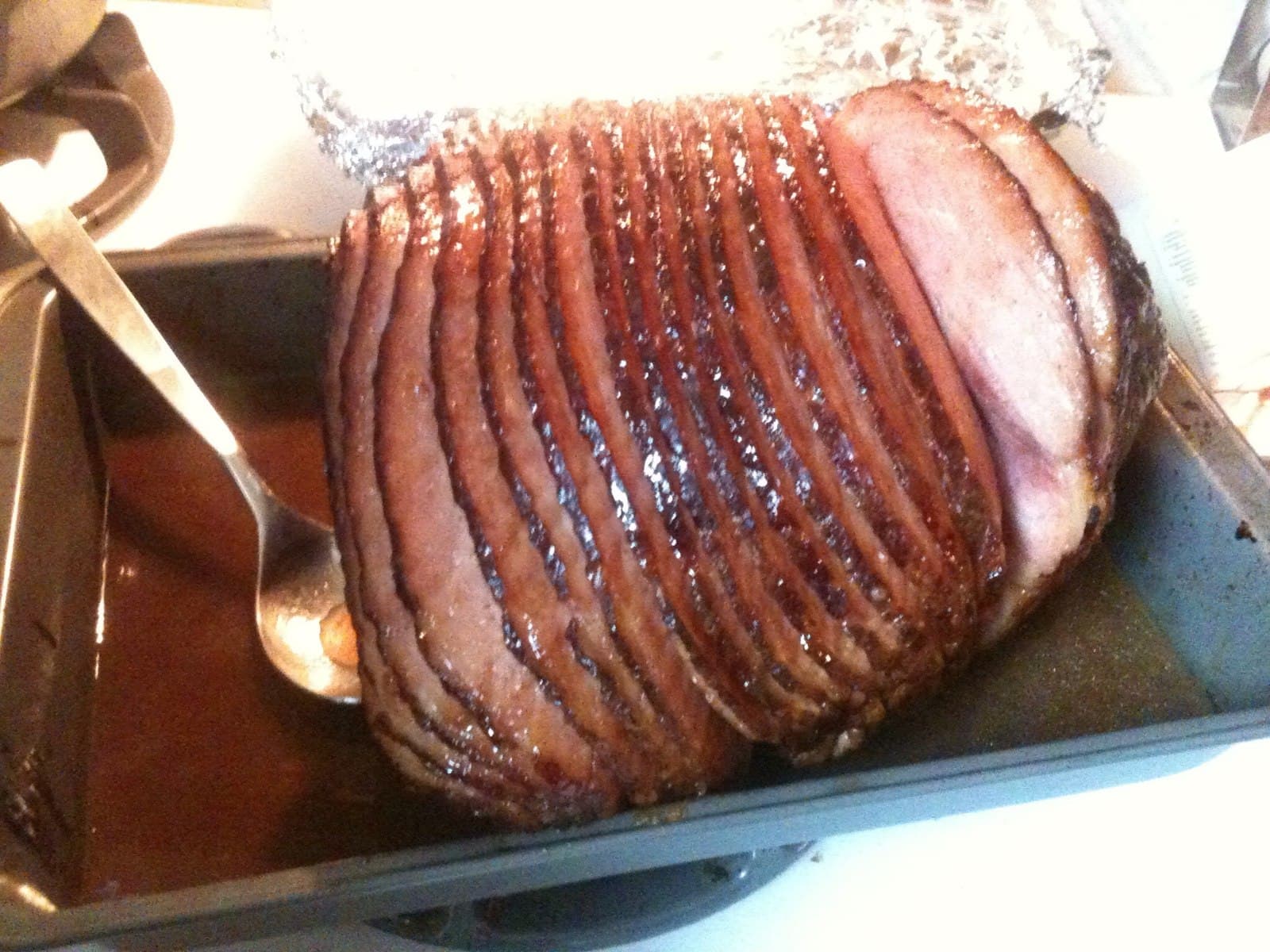

Why ham is not a good cat treat
A University of Georgia veterinarian recommends skipping ham because of its salt and fat. If your cat has kidney, heart, or urinary problems or follows a veterinary diet, keep ham off the menu. Offer your cat’s usual food or a treat made for cats instead.
Check what your cat ate
Check the package or recipe for onion or garlic in the glaze, rub, or sauce. Keep it handy so you can tell your veterinarian what your cat ate, how much might be missing, and when it happened.
- Was it one known lick of plain, boneless ham? Put the ham away. A lick of plain, boneless ham is less concerning than seasoned ham or an unknown amount. Call your veterinarian if your cat seems unwell or has a condition that affects what they can eat.
- Could your cat have swallowed a bone? Call your veterinarian promptly. A swallowed bone can injure or block the digestive tract.
- Was onion or garlic involved, or was the amount large or unclear? Call your veterinarian or an animal poison-control service promptly, even if your cat seems fine. Onion and garlic can harm cats, and a large amount of salty food can cause problems.
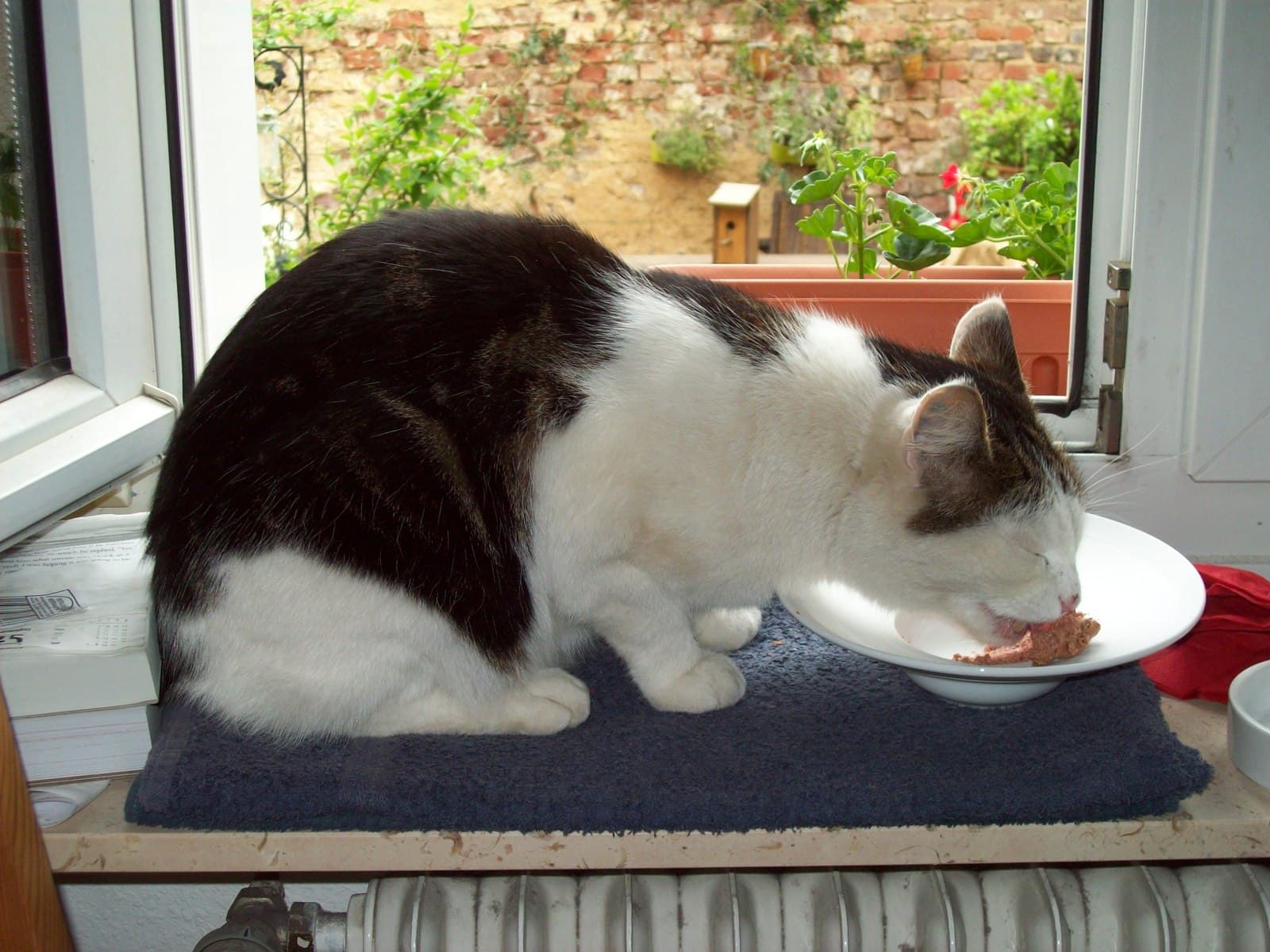

Keep the leftovers out of reach
Move the serving plate and carving board away from the edge of the counter. Put bones and scraps in a covered bin before leaving the kitchen.
Serving turkey as well? See which parts of Thanksgiving turkey to keep away from cats.
Veterinary and poison-control guidance
This guide draws on veterinary and poison-control guidance about ham, bones, seasonings, and salt.
Sources reviewed November 19, 2026.